
Understanding Primary Care Pricing: A Friendly Guide to Direct Primary Care Costs

When it comes to healthcare, the costs can sometimes feel like a confusing maze. You might wonder why a simple doctor’s visit can lead to a mountain of bills or why insurance doesn’t always cover what you expect. That’s where Direct Primary Care (DPC) steps in as a fresh, straightforward approach. Today, I want to walk you through the ins and outs of primary care pricing, especially focusing on what makes DPC different and how it might just be the solution you’ve been looking for.
What Exactly Is Primary Care Pricing?
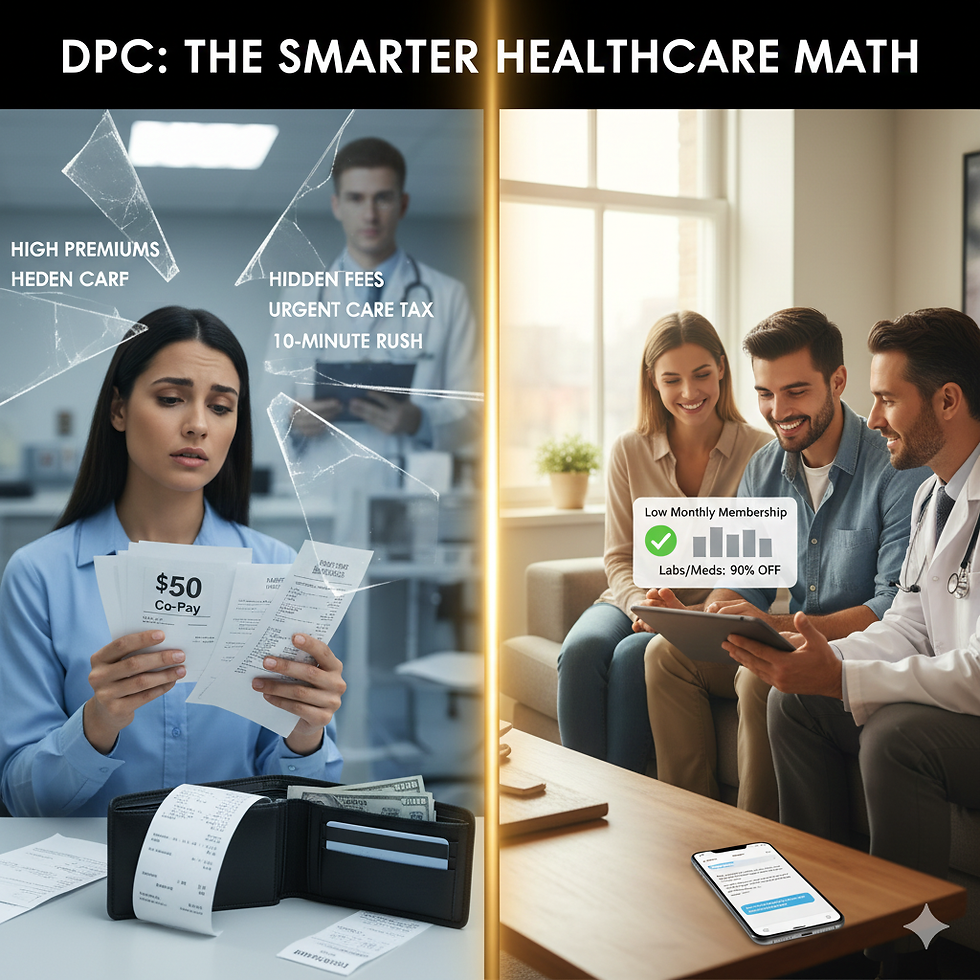
Primary care pricing is essentially the cost you pay for your regular health check-ups, consultations, and basic medical services. Traditionally, this pricing is tied to insurance companies, co-pays, deductibles, and sometimes surprise bills. It’s like ordering a meal at a restaurant and then getting charged extra for every little side dish you didn’t even ask for.
In contrast, Direct Primary Care offers a more transparent and predictable pricing model. Instead of navigating through insurance paperwork and unexpected fees, you pay a flat monthly fee that covers most of your primary care needs. Think of it as a subscription to your health, where you get unlimited access to your doctor without worrying about hidden costs.
Why Does Primary Care Pricing Matter?
Understanding primary care pricing is crucial because it directly affects how often you visit your doctor and how comfortable you feel seeking care. When costs are unclear or high, many people delay or avoid visits, which can lead to bigger health problems down the road. With clear pricing, you can plan your healthcare budget better and feel more in control of your health journey.

Breaking Down the Costs: What You Pay in Direct Primary Care
Let’s get into the nitty-gritty of what you’re actually paying for with Direct Primary Care. The beauty of DPC is its simplicity. Instead of paying per visit or procedure, you pay a monthly membership fee. This fee usually covers:
Unlimited office visits
Same-day or next-day appointments
Basic lab tests and screenings
Chronic disease management
Wellness and preventive care
Direct communication with your doctor via phone, text, or email
This model removes the usual barriers like co-pays and deductibles. Imagine having a gym membership but for your health. You pay a set amount each month, and you can “work out” your health as often as you need without extra charges.
How Much Does It Typically Cost?
The monthly fee for DPC varies depending on the practice and location but generally ranges from $50 to $150 per person. For families, many practices offer discounted rates. When you compare this to traditional insurance co-pays and deductibles, it often comes out to be more affordable, especially if you visit your doctor regularly.
One important thing to remember is that DPC usually does not cover specialist visits, hospital stays, or emergency care. You might still want a high-deductible insurance plan for those rare but costly events. However, for everyday health needs, DPC can save you money and stress.

Is DPC a Good Alternative to Insurance?
This is a question I get asked a lot. The short answer is: it depends on your health needs and financial situation. Direct Primary Care is not insurance. It’s a membership model focused on providing accessible, personalized primary care without the hassle of insurance billing.
When DPC Shines
You want easy access to your doctor without long waits.
You prefer a personal relationship with your healthcare provider.
You want predictable healthcare costs without surprise bills.
You don’t have complex medical needs requiring frequent specialist care.
You’re looking for a cost-effective way to manage chronic conditions or preventive care.
When You Might Still Need Insurance
You want coverage for hospital stays, surgeries, or specialist visits.
You need prescription drug coverage.
You want protection against catastrophic health expenses.
Many people choose to pair DPC with a high-deductible health plan. This combo gives you the best of both worlds: affordable, accessible primary care and financial protection for major health events.
How to Choose the Right Direct Primary Care Practice for You
Finding the right DPC practice is like finding a good coffee shop - it’s all about the vibe, the service, and how well it fits your needs. Here are some tips to help you pick the best fit:
Check the Pricing: Make sure the monthly fee fits your budget and understand what’s included.
Look for Transparency: A good DPC practice will be upfront about costs and services.
Consider Location and Accessibility: Is the office nearby? Do they offer virtual visits?
Meet the Doctor: Many practices offer a free consultation. Use this to see if you click with the doctor.
Read Reviews and Ask Around: Word of mouth can be a great guide.
Remember, the goal is to find a practice that makes you feel comfortable and supported in your health journey.
Making Sense of Your Healthcare Budget with DPC
Switching to Direct Primary Care can feel like a big step, but it’s one that often leads to better health and financial peace of mind. Here’s how you can make the most of it:
Budget for the Monthly Fee: Treat it like any other subscription - part of your regular expenses.
Use Your Membership Fully: Don’t hesitate to schedule visits or ask questions. You’re paying for access.
Pair with Insurance Wisely: If you keep insurance, choose a plan that complements your DPC membership.
Track Your Health Spending: Over time, you might find you spend less on healthcare overall.
If you want to dive deeper into the numbers, you can explore the direct primary care cost details on Orock Direct Primary Care’s website. They offer clear, upfront pricing that can help you plan better.
A Healthier Future with Transparent Primary Care Pricing
Switching to Direct Primary Care is like clearing the fog from your healthcare path. You get a clear view of what you’re paying for and a direct line to your doctor. It’s a model designed to put people first, making healthcare more personal, affordable, and accessible.
If you’re tired of the insurance runaround and want a simpler way to care for yourself and your family, DPC might just be the fresh start you need. After all, your health deserves clarity and care that feels like a partnership, not a puzzle.
So, why not take a step toward a healthier, happier you with a primary care pricing model that makes sense?


Comments